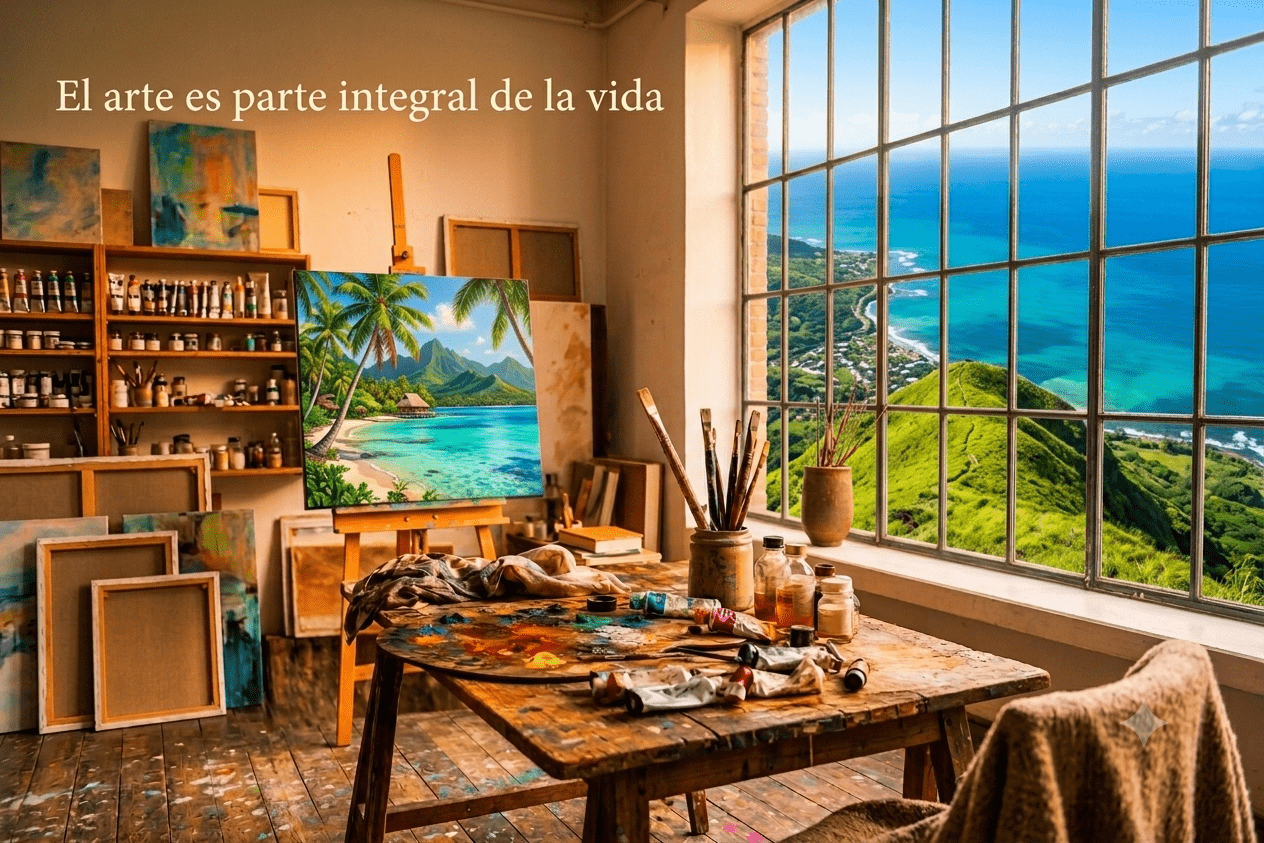
Visual art process the unique ability to preserve history, express emotions, and connect people from different cultures through a timeless artistic expression.
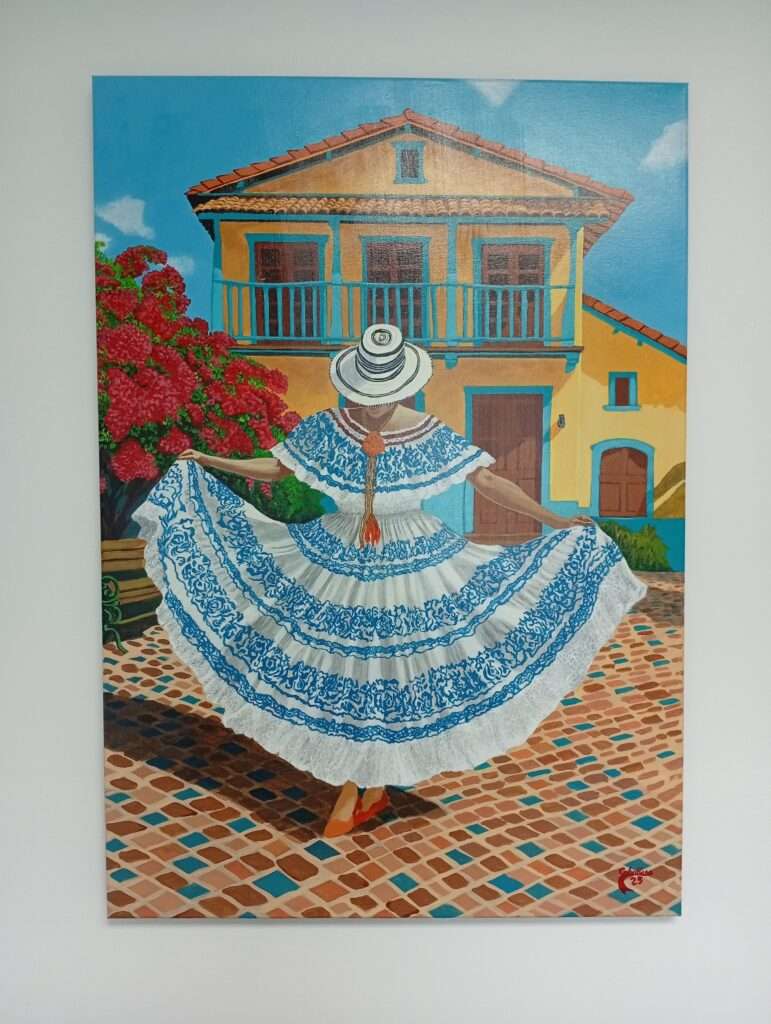
As a contemporary figurative realist painter, I create original acrylic paintings inspired by the strength of animals like the horse, the dignity of rural life, the beauty of nature, and the stories that define our shared human experience.
Each work is meticulously handcrafted, combining technical precision with expressive brushstrokes that capture movement, atmosphere, and authentic emotion. My paintings not only decorate spaces but also invite reflection, celebrate tradition, and become meaningful pieces for collectors who value originality and craftsmanship.
Through these collections of works, I invite you to discover my artistic vision, explore the creative process behind each painting, and experience how contemporary figurative realism continues to enrich the world of visual art.


Visual Art: expression of the human experience
Visual art is a fundamental expression of the human experience, translating thoughts, emotions, and observations into shapes, colors, and spaces. At its core, it encompasses any creation designed to be appreciated primarily through the sense of sight.
From prehistoric cave paintings to 21st-century digital masterpieces, visual art functions as a universal language that transcends time and borders.
What is Visual Art? Definition and Concept
Visual art refers to a broad category of creative disciplines whose works are intended to be perceived primarily by the eyes. Historically, defining this concept has been a complex challenge.
«Art is a conscious human activity capable of reproducing things, constructing forms, or expressing an experience, if the product of this reproduction, construction, or expression can delight, move, or produce a shock.»
— Władysław Tatarkiewicz, «A History of Six Ideas»
In a strictly visual context, these productions involve organizing elements—such as line, shape, color, texture, and space—to evoke an aesthetic or intellectual response. Unlike the performing or auditory arts, visual art traditionally results in a permanent or semi-permanent physical or digital artifact.
- To dive deeper: You can read more about the evolution of this concept in the Encyclopædia Britannica article.
A Brief History of Visual Expression
The history of visual art is as old as humanity itself. It began over 40,000 years ago with Paleolithic cave art, where early humans used charcoal and earth pigments to map their surroundings.
As civilizations emerged, art evolved in complexity and purpose:
- Ancient Egypt and Mesopotamia: Highly stylized, deeply symbolic art used to honor gods and rulers.
- Classical Antiquity (Greece and Rome): The focus shifted toward humanism, anatomical proportion, and an idealized realism.
- The Renaissance (14th to 17th Centuries): A monumental rebirth occurred in Europe. Artists mastered perspective and anatomy, elevating the creator to the status of an intellectual.
- The 19th Century and the Break from Tradition: The invention of photography forced art to redefine itself. As the Expressionist painter Paul Klee famously noted: «Art does not reproduce the visible; rather, it makes visible.» This drove revolutionary movements like Impressionism and the avant-garde.
- To dive deeper: Explore the Metropolitan Museum of Art’s educational resource on their Heilbrunn Timeline of Art History.
Classification of Visual Disciplines
The universe of visual art is incredibly diverse and is traditionally organized into three major branches:
| Category | Description | Key Examples |
| Fine Arts | Works created primarily for their aesthetic value and intellectual stimulation. | Painting, Drawing, Sculpture, Printmaking. |
| Applied and Decorative Arts | Disciplines that combine aesthetic beauty with practical utility in daily life. | Ceramics, Fashion design, Industrial design, Interior design. |
| Media and Contemporary Arts | New languages introduced by modern technologies and conceptual evolution. | Photography, Cinema, Video art, Digital art. |
The Role of Figurative Painting
Within the Fine Arts, figurative painting occupies a central and historic position. It is defined as any artwork that clearly derives from real-world sources, maintaining a recognizable reference to the physical environment (especially the human figure).
For centuries, figurative painting was the dominant mode of expression, but its purpose was not always exact imitation. Aristotle mentioned in his Poetics that «the aim of art is to represent not the outward appearance of things, but their inward significance.»
This premise explains why figuration survived the rise of abstraction in the 20th century. Artists like Francis Bacon or Lucian Freud did not seek photographic portraiture; instead, they distorted and utilized the human body to explore the psychological depth and existential anxiety of modern humanity.
- To dive deeper: Explore the great masters of figuration in the online collection of the Museo del Prado.
The Evolution Toward Contemporary Art
The 20th century shattered the traditional boundaries of what could be considered visual art. Modernism gave birth to movements that discarded realistic representation in favor of pure form and emotion. By mid-century, Conceptual Art argued that the idea behind the work was more important than the physical object itself.
«Art has the pretty habit of spoiling all artistic theories.»
— Marcel Duchamp
Today, contemporary visual art is entirely pluralistic. There is no single dominant style. A current exhibition might display a figurative oil painting hanging next to a virtual reality installation or a video performance. Visual art has transformed from a strict discipline of technical craftsmanship into a global and open conversation.
- To dive deeper: Consult the interactive guide on contemporary art terms and concepts at the Museum of Modern Art (MoMA).